Commercial Waste Collection in London
If you run a business in the capital, you already know that waste is not just something to be cleared away at the end of the day. It is part of keeping your premises safe, presentable, compliant, and ready for customers, staff, tenants, and visitors. Commercial waste collection in London needs to work around busy streets, shared access points, loading restrictions, and the pace of local business life. Whether you manage a restaurant in Soho, a small office in Shoreditch, a retail unit in Clapham, or a mixed-use building in Westminster, you need a service that is dependable, flexible, and practical.
London businesses produce many different types of waste, and each site has its own pressures. Some need daily collections because they handle food or packaging. Others need scheduled uplifts for office recycling, cardboard, or general rubbish. Many sites also deal with limited kerbside space, timed access, and tight stairwells or basement storage rooms. A local service that understands those challenges can make a real difference.
Our approach is simple: collect your commercial waste efficiently, help keep your premises tidy, and make the process straightforward for your team. If you are looking for a business waste service that fits the way London operates, this page explains what is included, how the service works, what affects pricing, and why local knowledge matters.
Commercial Waste Collection for London Businesses

Commercial waste collection covers the regular removal of waste generated by businesses, landlords, and managed properties. In London, that may include offices, shops, pubs, cafés, restaurants, hotels, salons, warehouses, clinics, schools, workshops, and apartment developments with shared bin areas. The right service should do more than remove bags. It should support the daily running of your site and help keep your environment clean, compliant, and organised.
Many customers search for commercial waste collection in London because they need a service that can handle more than one waste stream. For example, a hospitality venue may need food waste collection, glass removal, cardboard recycling, and general waste pickups. An office may require regular mixed recycling collections and confidential waste arrangements. A building manager may need help managing bins for multiple tenants in a limited yard space.
Local customers often value reliability above everything else. When waste is not collected on time, it can create odours, block access, attract pests, frustrate staff, and leave a poor impression on customers. A professional collection service helps prevent these issues by keeping a consistent schedule and responding to the practical realities of the site.
Why London Businesses Need a Local Waste Partner

London is unlike many other places when it comes to waste collection. Streets can be narrow, parking can be limited, and collection windows may need to fit around loading bays, traffic restrictions, or pedestrian-heavy areas. In places like Camden, Islington, Southwark, Kensington, Tower Hamlets, and the City, even short delays can disrupt access for staff and deliveries. That is why having a team that knows the city’s working patterns is so useful.
A local commercial waste contractor understands the day-to-day issues that come with operating in the capital. This includes basement storage, shared rear access, bin stores in courtyards, split-level entrances, and properties where refuse must be moved through internal corridors or service lifts. It also means being realistic about collection timing for high-footfall areas such as Covent Garden, Leicester Square, Oxford Street, Bank, and major transport-linked business districts.
Another benefit is flexibility. London businesses do not all work the same hours. Restaurants, late-night venues, hospitals, hotels, and convenience stores may need early or late collections. Offices, schools, and managed properties may prefer daytime or off-peak pickups. A local provider can usually shape the service around the operational pattern of the site rather than expecting the site to adapt to a rigid schedule.
What Commercial Waste Services Can Include
Every business produces different waste, and a good collection arrangement should reflect that. Depending on your site and the type of business you run, commercial waste collection may include one or more of the following:
- General waste removal for non-recyclable rubbish
- Cardboard and packaging recycling
- Mixed recycling for offices and retail premises
- Food waste collection for hospitality and catering sites
- Glass collections for pubs, bars, and restaurants
- Garden or green waste for premises with outdoor areas
- Bulky item collections for larger commercial clear-outs
- Bin provision and container sizing support
- Scheduled collections for multi-tenant or managed buildings
Some premises also need specialist arrangements for particular waste types, such as office strip-out waste, retail fit-out waste, or regular collections from buildings with limited refuse storage. If you are unsure what waste streams your site produces, a local provider can usually help you assess what is needed and suggest a practical setup.
It is also common for commercial customers to need more than one collection frequency. For example, a site might want cardboard collected several times a week, with general waste collected less often. That can help reduce build-up while keeping the service tailored to the real volumes produced by the business.
How the Service Works

The collection process should be simple and easy to manage. For most customers, it starts with an initial review of the premises, your business type, the amount of waste produced, and the access arrangements. That helps identify the correct collection schedule, container type, and waste streams.
Once the service is set up, collections are carried out on an agreed basis. Depending on the site, waste may be removed from a designated bin store, rear yard, loading area, or other agreed point. Businesses in busy London locations often benefit from clear instructions on where containers should be placed and when they should be presented for collection.
Clear communication is important. If your operating hours change, if your site is undergoing refurbishment, or if waste volumes rise during peak trading periods, a responsive provider should be able to adjust the arrangement. That might mean adding extra collections, changing bin sizes, or updating the route to suit temporary access issues.
Typical steps in the service
- Review the site and waste requirements
- Agree the collection schedule and waste types
- Set up containers or bins if needed
- Carry out collections on the agreed days
- Monitor volumes and adjust where necessary
This kind of structured approach works well for London businesses because it reduces uncertainty. Staff know what to expect, bin areas stay under control, and managers can plan around a consistent service.
Who We Help Across London
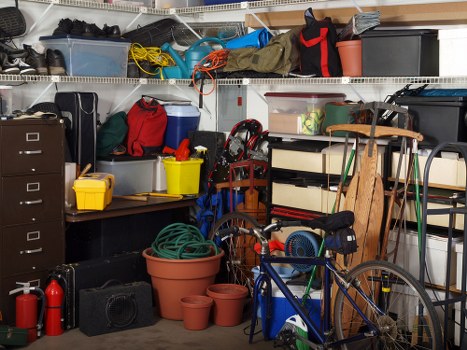
Commercial waste collection in London is relevant to a wide range of customers. Some are independent businesses with one premises. Others manage multiple sites or large buildings with shared waste areas. We regularly see demand from:
- Offices in central and inner London, including co-working spaces and managed business centres
- Restaurants, cafés, pubs, and bars that need regular food and packaging collections
- Retail units with cardboard, display packaging, and daily general waste
- Hotels and serviced apartments with high volumes and strict cleanliness needs
- Schools, academies, and training centres that generate recycling and general waste
- Healthcare and clinical premises with controlled waste-handling requirements
- Landlords and managing agents responsible for bin stores and shared waste areas
- Warehouses, workshops, and light industrial sites in outer London and business parks
Different parts of London have different access realities. A townhouse conversion in Notting Hill may have a very different waste setup from a warehouse in Park Royal or a restaurant near King’s Cross. Businesses in Croydon, Stratford, Hammersmith, Ealing, Greenwich, Brent, and Waltham Forest may also face different collection logistics depending on the street layout and property type.
That is why it helps to work with a team that is used to London properties of all shapes and sizes, from basement storage spaces and mews buildings to large commercial estates and mixed-use developments.
Benefits of a Reliable Commercial Waste Service
A dependable waste collection arrangement offers more than a tidy bin store. It can improve the way your business runs in several practical ways.
- Better presentation: Clean, organised waste areas support a professional image
- Improved hygiene: Regular collections reduce smells, spills, and pest risks
- Safer access: Less overflow means fewer trip hazards and blocked walkways
- More efficient operations: Staff spend less time dealing with overflowing bins
- Help with compliance: A proper arrangement supports responsible waste handling
- Less disruption: Scheduled pickups fit around business hours and trading patterns
For customer-facing businesses, waste management has a visible impact. A café with overflowing bags at the rear entrance or a retail site with cardboard stacked in the wrong place can create a poor impression before customers even walk through the door. Offices and managed buildings also benefit when bin stores stay under control, especially in shared spaces where multiple occupiers rely on the same facilities.
Good waste collection is part of good property management. It helps maintain standards, supports staff, and makes daily operations smoother.
What Affects Pricing?
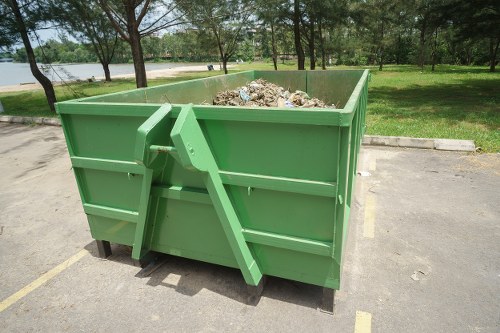
Businesses often want to know what influences the cost of commercial waste collection in London. While exact pricing depends on the site and service needs, several common factors usually shape the quotation.
Key pricing factors
- Type of waste: General waste, recycling, food waste, glass, and specialist streams may differ in handling requirements
- Volume: The amount of waste produced and the container size needed
- Collection frequency: Daily, weekly, or ad hoc collections each affect the service level
- Access conditions: Limited parking, difficult loading access, stairs, or long carry distances can influence logistics
- Location: Central London access can be more complex than some outer borough sites
- Site type: Offices, hospitality venues, industrial units, and managed blocks can all have different needs
A proper quotation should reflect your actual usage rather than offering a one-size-fits-all approach. If your waste volumes change seasonally, such as during Christmas trading, summer tourism, or event periods, it may be sensible to review the arrangement periodically.
When requesting a quote, it helps to be clear about the current setup, the number of bins you use, the types of waste you generate, and any access issues. That allows the service provider to suggest a realistic and practical solution.
What to Prepare Before Booking
To make set-up easier, it helps to gather a few details before you request a quote or arrange collections. This can speed up the process and ensure the service fits your premises properly.
Preparation checklist
- Approximate business type and operating hours
- Details of where waste is stored at the site
- Types of waste currently produced
- Approximate volume or number of bins used
- Any access limitations, such as narrow streets or timed entry
- Whether the property has a yard, bin store, basement, or shared service area
- Any seasonal changes in waste generation
It is also useful to think about how your staff currently manage waste. For example, are bags left in multiple areas, or is everything consolidated into one location? Does the collection point need to be moved to suit delivery schedules? Are there tenants or neighbours using the same store? These details matter because they can affect the efficiency of the service.
For London properties, small access details can make a big difference. A clear explanation of gates, entry codes, lift use, loading times, and bin placement will help avoid unnecessary delays later on.
Why Local Knowledge Matters in London
Many businesses look for a waste service that can simply “turn up and collect.†In London, that is not always enough. Local knowledge helps because it takes account of realities that are common across the capital but different from other cities.
For example, some areas have controlled parking zones that affect collection timing. Others have busy rush-hour traffic that makes early morning access more efficient. Some commercial streets have little room for vehicles to wait, while certain properties only have rear access through narrow lanes or shared mews. Commercial waste collection in London often depends on understanding these details before they become problems.
Local experience is also helpful when a property is close to residences. Mixed-use areas such as Hackney, Fulham, Battersea, Dalston, Brixton, and Wimbledon may need collections that are efficient and considerate, especially where bins are kept near homes or guest entrances. A well-managed service helps reduce disturbance and keeps operations running smoothly for both businesses and neighbours.
Why this matters to customers
When a service understands London properly, it is easier to plan around the realities of the site. That means fewer missed opportunities, fewer access complications, and a smoother experience for busy managers, facilities teams, and business owners.
Areas Covered
We support businesses across London, including central, north, south, east, and west locations. This includes offices, retail units, hospitality venues, industrial premises, and managed residential or mixed-use buildings in areas such as:
- Westminster
- The City
- Kensington and Chelsea
- Camden
- Islington
- Southwark
- Tower Hamlets
- Lambeth
- Hackney
- Hammersmith and Fulham
- Wandsworth
- Greenwich
- Croydon
- Brent
- Ealing
- Redbridge
- Barnet
- Lewisham
We also help customers in surrounding business districts and commercial corridors where access and collection timing matter just as much as the service itself. If your premises are in a busy high street, business park, shopping parade, or mixed-use estate, a local collection arrangement can usually be tailored to the site.
Whether your business is in central London or the wider boroughs, the same priorities apply: reliable timings, clear communication, responsible waste handling, and practical support that suits the building you work from.
Signs It May Be Time to Review Your Current Setup
Sometimes businesses keep the same waste arrangement for years even when the site has changed. It may be worth reviewing your service if you notice any of the following:
- Bins are regularly overflowing before collection day
- Staff are spending too much time handling waste issues
- The current schedule does not match trading volumes
- Waste areas are becoming unhygienic or cluttered
- Access is difficult because of changes to the site or street layout
- You now produce different types of waste from when the service started
- Multiple tenants or departments are using the same storage area
Reviewing the setup can often improve efficiency without creating extra work for your team. For example, changing the collection frequency or separating recycling from general waste may reduce pressure on the bin store. For hospitality sites, better food waste handling can make a noticeable difference to cleanliness. For office buildings, a more structured recycling arrangement may help with day-to-day organisation.
Small operational changes can lead to a much tidier and more manageable premises.
Frequently Asked Questions
What types of businesses need commercial waste collection?
Any business that produces waste regularly can benefit from a structured collection service. This includes offices, retail spaces, restaurants, pubs, cafés, schools, clinics, warehouses, and managed properties.
Can collections be arranged around business hours?
In many cases, yes. London businesses often need collections to fit around opening times, deliveries, customer traffic, or building access restrictions. A local provider can usually discuss workable timings.
Do I need separate collections for different waste types?
That depends on what your site produces and how much space you have. Many businesses benefit from separating general waste, cardboard, recycling, and food waste because it can make the site easier to manage.
What if my waste volumes change during the year?
That is common in London, especially for hospitality, retail, and seasonal venues. A flexible arrangement can often be adjusted if volumes rise or fall.
Can you help with sites that have poor access?
Yes. Many London premises have narrow entrances, basement bin stores, shared courtyards, or restricted parking. These details should be explained early so the service can be planned appropriately.
Is commercial waste collection suitable for mixed-use properties?
Absolutely. Mixed-use buildings often need a carefully planned schedule because business units, residential occupiers, and shared facilities may all use the same storage areas.
Why Choose a Local Company for Commercial Waste Collection in London
There are real advantages to working with a local team rather than a provider that treats London like any other service area. A local company is more likely to understand borough-specific access patterns, central congestion, busy street layouts, and the practical demands of working across commercial districts and residential-adjacent sites.
That knowledge helps with everything from planning the first collection to adjusting the schedule when a site changes. It also means you are more likely to get practical advice about container placement, collection timings, and how to handle waste in tight or shared spaces.
For many customers, the best service is the one that feels effortless. The bins are in the right place, the waste is removed on time, and your team does not need to keep chasing the same issue. That is especially important in London, where time and space are both at a premium.
Choosing a local partner also supports better communication. If you need to ask about an access issue, a schedule change, or a temporary increase in waste, it helps to deal with a team that understands the local context and can respond in a practical way.
Book Your Commercial Waste Service
If your business needs a dependable waste collection arrangement in the capital, now is a good time to review what would work best for your site. Whether you need regular general waste pickups, recycling support, food waste collections, or a more tailored setup for a mixed-use property, the right arrangement can make a noticeable difference to how your premises operate.
Commercial waste collection in London should be straightforward, flexible, and suited to the way your business works. From central boroughs with tight access to outer London sites with larger service yards, a local team can help design a practical collection pattern that supports day-to-day operations.
If you are ready to improve your waste setup, request a free quote or contact us today to discuss your site requirements. Book your service now and get a collection plan that works for your London premises.
Useful final reminder
Before you enquire, gather details about your waste types, collection point, and access conditions so the setup can be tailored correctly.