Waste Collection in London
When you need waste collection in London, you usually want a service that is quick, reliable, and able to work around the realities of city life. Whether you are clearing a flat in Zone 1, managing bin overflow for a busy office in the City, or dealing with builder’s waste from a refurbishment in South London, the right local team can save time, reduce stress, and make the whole job much easier.
London is a city with many types of properties, many different access conditions, and plenty of waste challenges. Shared housing, basement flats, high-rise blocks, terraced homes, commercial units, retail premises, cafes, restaurants, and construction sites all create different disposal needs. A local waste collection service understands how to work with tight streets, permit-controlled roads, loading restrictions, lift access, stair-only buildings, and busy schedules. That local knowledge matters.
From one-off rubbish removal to regular collections for businesses, a professional service can handle everything from household clutter and garden debris to office furniture, broken appliances, light demolition waste, and general junk. If you are trying to reclaim space, prepare for a move, or keep your premises clear and presentable, this page explains what is included, how the service works, what affects pricing, and why many customers prefer a London-based team.
Why local waste collection matters in London

London is not a place where waste collection can be treated as a simple pick-up-and-go job. Roads can be narrow, parking can be limited, and many properties do not have easy vehicle access. In some parts of the city, especially around central boroughs and dense residential areas, waste has to be carried down stairwells, across courtyards, or from inside shared buildings. A local crew knows how to handle these conditions without unnecessary delay.
Waste collection in London also needs to fit around local routines. Businesses often need clearances before opening hours, after closing, or during specific time windows. Residents may need a weekend slot, a same-day collection, or help after a tenancy changeover. A team that already works across the city is more likely to understand these pressures and plan around them.
Another advantage is flexibility. London properties range from small studio flats to large office floors, mixed-use buildings, warehouses, and building sites. That means waste can vary a lot from job to job. A good local service can adjust the size of the team, the type of vehicle, and the collection approach so the job is handled efficiently and with minimal disruption.
What our waste collection service can include
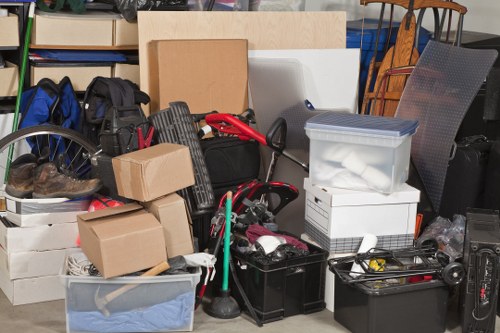
People often search for waste collection because they have a specific problem, but the service is usually broader than a single item pick-up. It may cover general household rubbish, bulky furniture, office clearances, shop waste, garden waste, refurbishment debris, or mixed loads that are too much for normal council bins. The aim is to remove unwanted material safely and leave the area tidy.
Typical collections can include:
- Household junk and clutter from lofts, garages, sheds, and spare rooms
- Bulky items such as sofas, wardrobes, tables, mattresses, and shelving
- Office waste like desks, chairs, filing cabinets, monitors, and packaging
- Trade and renovation waste, including timber, plasterboard, tiles, and fixtures
- Garden waste such as branches, cuttings, soil, and old outdoor items
- Retail and hospitality waste from refits, stock clear-outs, and back-of-house areas
- General rubbish from end-of-tenancy clears, probate work, and moving day overflow
Some jobs involve a single item. Others involve a full property or a combination of waste types. The service is designed to handle both. If you are unsure whether something can be collected, it is usually best to request a quote and describe the items clearly so the team can advise on the best approach.
Residential waste collection for London homes
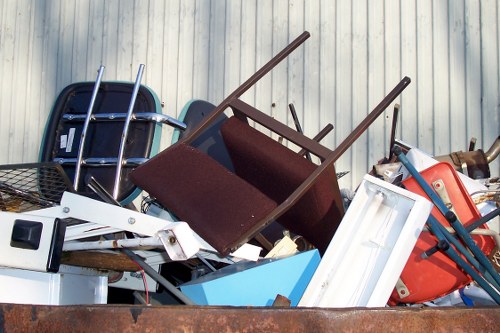
London homes come in many forms, and each one creates its own waste removal issues. In a terraced house in Clapham or Hackney, rubbish may build up in a cellar, loft, or garden shed. In a tower block in Stratford or Wembley, the challenge may be carrying furniture through communal areas and coordinating with building access rules. In a period conversion in Islington or Fulham, narrow hallways and stairs may mean careful planning is needed before items can be removed safely.
For homeowners and tenants, waste collection can be especially helpful during:
- Moving home or end-of-tenancy clear-outs
- Renovation and decorating work
- Garage, loft, basement, or shed clearances
- Bereavement or probate property sorting
- Garden tidy-ups and outdoor clean-ups
- Replacing old furniture or appliances
One of the main benefits for residential customers is speed. If you need space cleared before a move or before new furniture arrives, waiting around for several trips to the tip is not practical. A local collection team can remove items in one visit, giving you back usable space quickly and helping your day stay on track.
Commercial waste collection for London businesses

Commercial customers across London need waste collection that is predictable, discreet, and efficient. Offices, shops, hospitality venues, clinics, studios, workshops, warehouses, and managed buildings all produce waste in different ways. In busy boroughs like Westminster, Camden, Southwark, Tower Hamlets, and the City, businesses often need collections arranged carefully so staff, customers, and neighbours are not disrupted.
Regular or one-off commercial waste collection can help with:
- Office clearances and workstation removals
- Shop refits and retail back-room declutters
- Restaurant, cafe, and bar waste removal during changes or refurbishments
- Storage unit and stock room clear-outs
- Light construction and fit-out debris from internal works
- End-of-lease property handovers
For business owners and property managers, local service matters because timing is critical. You may need a collection before trading starts, after a fit-out crew finishes, or on a day when access is only available for a short period. A London-based waste collection provider can often work more efficiently in these conditions because the team understands local routes, building layouts, and common access limits.
How the waste collection process usually works

A good waste collection service should be simple to arrange and straightforward to use. While every job is different, the process often follows a pattern that helps customers know what to expect. If you are booking for the first time, the following steps give a clear idea of how it tends to work.
First, you describe the waste. This might include the type of items, approximate volume, where the waste is located, and whether there are any access issues such as stairs, limited parking, or restricted entry times. The more accurate the description, the easier it is to provide an appropriate quote and plan the visit.
Then a suitable collection is arranged. For many customers, this means choosing a time that fits around work, school runs, building schedules, or business hours. On the day, the team arrives, checks the load, removes the waste, and ensures the area is left tidy. If there are separate item categories or special access instructions, these should be discussed in advance so the collection runs smoothly.
What makes London collections different from elsewhere
London has some very specific waste collection challenges. Parking can be difficult even for short visits, and many areas have controlled zones, narrow streets, one-way systems, and restrictions on where vehicles can stop. In some boroughs, waste has to be carried a long distance from the property to the vehicle. In others, lifts or building management rules shape how the job must be done.
Properties also vary widely. One collection might involve a Victorian terrace in Battersea with a basement full of old furniture, while the next could be a modern apartment in Canary Wharf with strict concierge procedures. Commercial jobs can be equally varied, from a small office in Shoreditch to a large warehouse near North or East London. This variety means London waste collection is as much about logistics as it is about lifting and loading.
That is why a local team is valuable. They are used to working around real city conditions and can often complete a job more efficiently than someone unfamiliar with the area. Fewer delays, fewer surprises, and less disruption to neighbours or customers all matter when you are trying to keep the day moving.
Pricing factors and what affects your quote
Many customers want a clear idea of what influences waste collection cost, especially when comparing services or planning a project budget. While exact prices are not listed here, the main factors are usually straightforward. A quote should reflect the actual size of the collection, the labour required, and any special circumstances on site.
Common pricing factors include:
- How much waste needs to be collected
- The type of materials involved
- Whether the items are bulky, heavy, or awkward to move
- Access conditions such as stairs, distance, parking, or lift use
- How quickly the service is needed
- Whether the collection is residential, commercial, or mixed-use
- Any sorting or separate handling requirements
To keep the quote accurate, it helps to be honest about what needs removing. If you only mention a few bags but actually have several bulky items, the team may need to adjust the plan when they arrive. Clear information at the start usually leads to a smoother visit and a more suitable price estimate.
What customers often ask before booking
Most customers want practical answers before they commit. They want to know whether the job can be done in one visit, whether large items can be taken from upstairs, and whether the team can work around parking or building access. These are sensible questions, particularly in London where logistics can affect the collection much more than in less dense areas.
It is also common to ask how the service handles mixed waste. For example, a customer may have old furniture, broken appliances, cardboard, and renovation offcuts all in one place. In many cases, this can be collected together, provided the material is described clearly in advance. If separate disposal steps are needed, the team should explain that before booking is confirmed.
Another common concern is timing. If you need a rubbish collection in London at short notice, the best approach is to request availability as soon as possible and provide details about the site. Same-day or next-day slots may be possible depending on workload and location, but it helps to be flexible where you can.
How to prepare for a waste collection visit
Good preparation makes collection faster and easier. You do not usually need to do much, but a little organisation can reduce the time spent on site and help the team work more efficiently. This is especially important in flats, shared entrances, offices, and busy commercial properties where space is limited.
A useful preparation checklist includes:
- Gather the items in one area if possible
- Separate anything you want to keep from anything you want removed
- Make sure access routes are clear of obstacles
- Check whether building entry instructions are needed
- Reserve or note parking where possible, if allowed
- Point out fragile areas, narrow stairs, or lifting concerns
- Tell the team in advance if the load includes heavy or awkward items
If you live in a flat or work in a managed building, letting the relevant person know in advance can help prevent delays. This may include a concierge, facilities team, landlord, building manager, or letting agent. The smoother the access, the more straightforward the collection will be.
Why choose a local London waste collection company?
There are several reasons why local customers often choose a London-based service instead of trying to manage disposal alone. The first is convenience. You do not need to hire a vehicle, make multiple trips, or spend time lifting heavy items yourself. That matters a lot in a city where time, parking, and access can all be difficult.
The second is local know-how. A team that works across London regularly will understand the practical issues that come with dense streets, controlled parking zones, estate access, loading bays, and narrow entrances. This experience helps reduce delays and makes it easier to schedule collections that work for both homes and businesses.
There is also the value of having a service that can respond to different types of jobs. Some customers need urgent rubbish removal after a last-minute move. Others need regular support for a commercial site. Some need a full declutter before refurbishment. A local company is more likely to offer the flexibility needed for all these situations.
Areas covered across London
Waste collection services are commonly requested across Central, North, South, East, and West London. Customers may live or work in busy urban zones, residential suburbs, or mixed-use districts where rubbish builds up quickly and access is not always easy. The exact neighbourhoods will depend on the service area, but local coverage often includes many of London’s most active residential and commercial parts.
Examples of areas where waste collection is often needed include:
- Central London locations with flats, offices, and managed buildings
- North London neighbourhoods with terraced homes and shared housing
- East London districts with apartments, offices, and redevelopment sites
- South London areas with family homes, gardens, and renovation projects
- West London properties ranging from apartments to retail and hospitality spaces
If you are not sure whether your area is covered, it is best to request a quote and share your postcode or borough. That allows the team to confirm availability and planning requirements for your location.
Types of customers we help
One of the strengths of a reliable waste collection service is the range of people it can support. London is diverse, and waste needs vary just as widely. Some customers need help with domestic clearances, while others are arranging property maintenance, business changes, or site work. A good service should be able to adapt.
Typical customers include:
- Tenants clearing a flat before moving out
- Landlords preparing a property for new occupants
- Homeowners decluttering or renovating
- Office managers overseeing furniture disposal
- Retailers and hospitality businesses handling refits
- Tradespeople and contractors with leftover project waste
- Property managers dealing with communal or vacant units
This wide customer base is one reason the service has to stay practical. A collection team cannot assume that every job is the same, and customers should not be expected to handle unnecessary lifting, sorting, or logistics on their own.
Common waste collection situations in London
London customers often contact a waste collection service because they are facing a time-sensitive problem. A room has become full of unwanted items, a business has a deadline, or a property has to be cleared before new work can begin. These jobs are often straightforward for an experienced team, but they can feel overwhelming when you try to do them alone.
Some of the most common situations include:
- End-of-tenancy clearances where old furniture and rubbish need removing quickly
- Pre-sale property clear-outs before photos, viewings, or maintenance
- Office relocations where desks, chairs, and packaging need taking away
- Refurbishment projects that generate mixed waste and old fittings
- Garden clean-ups after seasonal maintenance or storm damage
- Storage clearances where years of collected items need sorting and removal
In each case, the value of the service is not just in removing waste. It is in reducing disruption, saving time, and helping the property become usable again. That practical benefit is often what local customers care about most.
What to expect on the day of collection
On the day, the priority is usually to keep the visit efficient and respectful of the property. The team should assess the waste, confirm the agreed scope, and remove the items carefully. For many customers, the process is quicker than expected, especially when the waste has already been grouped together in one place.
If the collection involves a larger load or tricky access, the team may need more time to move items safely from the property to the vehicle. This is completely normal in London, where stairwells, shared entrances, and narrow corridors can affect the pace of the work. A good service will plan for these conditions rather than treating them as unexpected problems.
Once the waste is removed, the area should be left as tidy as reasonably possible. That is especially important for homeowners preparing for guests or buyers, and for businesses that need to maintain a professional appearance. Clean-up is part of what makes the service feel complete.
Choosing the right service for your needs
Not every collection company is suited to every job. Some are better for domestic clearances, some for commercial work, and some for regular scheduled collections. The best choice depends on the type of waste, the access conditions, and how quickly you need it removed. For London customers, reliability and flexibility are often just as important as speed.
When comparing options, consider whether the company can handle:
- Single items as well as full loads
- Residential and commercial jobs
- Short notice or time-sensitive bookings
- Access challenges such as stairs or restricted parking
- Mixed waste from different areas of the property
- Clear communication about what is and is not included
It is also wise to choose a team that asks the right questions. A service that checks your access, waste type, and timing in advance is more likely to provide a smooth collection than one that simply turns up without enough information.
Frequently asked questions
Can waste collection handle bulky items from upstairs flats?
Yes, in many cases bulky items can be removed from flats or upper floors, provided access is safe and the details are shared in advance. London properties often involve stairs, lifts, or shared entrances, so it helps to explain the layout clearly when booking.
Do I need to sort everything before the team arrives?
Not always. It is helpful to keep items you want removed together and separate anything you want to keep. If you have a mixed load, let the team know so they can plan properly. A little preparation can make the visit faster.
Can businesses book waste collection outside normal working hours?
Many commercial customers prefer early, late, or scheduled visits to reduce disruption. Availability depends on the service area and the specific job, but flexible booking is often important for London businesses.
What if I have waste from a renovation project?
Renovation waste is common in London and often includes timber, old fixtures, packaging, and mixed debris. Share the details upfront so the collection can be arranged with the right planning.
Is waste collection suitable for one-off clear-outs?
Yes. Many customers only need a single collection for a move, declutter, probate clearance, or property refresh. One-off jobs are a major part of the service.
Book your waste collection in London
If you need waste removed quickly and without hassle, a local service can make the process much easier. Whether it is a household clear-out, office furniture removal, garden waste, or mixed rubbish from a refurbishment, the right team can help you reclaim space and keep the property moving forward.
Because every location in London comes with different access, parking, and building considerations, the most effective next step is to provide a clear description of what needs collecting. That helps make the quote accurate and the visit efficient. If you are ready to get started, contact us today to discuss your needs, request a free quote, or book your service now.
For homeowners, landlords, tenants, office managers, and contractors alike, professional waste collection in London offers a practical solution when rubbish starts taking over. A reliable local service can turn a difficult job into a manageable one, leaving you with a cleaner, clearer space and less to worry about.