Waste Recycling in London
When homes, landlords, offices, shops, and building sites across the capital need a practical and responsible way to deal with unwanted materials, waste recycling in London becomes more than a convenient service — it is a smart, local solution that helps keep projects moving and properties clear. London is a city of busy streets, tight schedules, shared access, controlled parking zones, converted flats, terrace houses, retail units, and large commercial premises. That means recycling waste here is rarely as simple as placing a bin outside. It often needs the right collection plan, the right team, and a service that understands how London actually works.
For many customers, the need is immediate. You may be clearing out a flat in Islington, refurbishing a shop in Clapham, managing office waste in Canary Wharf, or handling post-renovation materials in a townhouse near Kensington. In each case, the key question is the same: how do you recycle waste properly without wasting time or creating extra hassle? A local recycling service can help you separate materials, remove them efficiently, and direct them into suitable recycling streams whenever possible.
London customers also need flexibility. A good waste recycling service should work around access restrictions, stair-only buildings, loading bays, traffic delays, and collection windows that fit the realities of the city. Whether you are a homeowner, tenant, landlord, tradesperson, business owner, or facilities manager, choosing a local team can save effort and reduce stress while helping you manage waste responsibly.
Why Waste Recycling Matters Across London
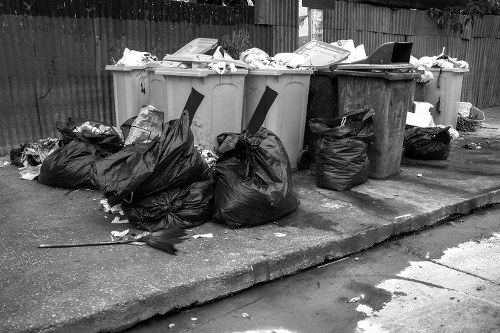
London generates huge volumes of household, commercial, and construction waste every day, and not all of it should go to general disposal. Recycling helps recover useful materials, reduce pressure on disposal sites, and support a cleaner city. For many local customers, this is not just about doing the right thing; it is also about working efficiently and keeping spaces safe, presentable, and usable.
Recycling is especially important in a city where properties are often compact and storage is limited. In flats above shops, basement offices, mews homes, and older converted buildings, rubbish can build up quickly if it is not removed on time. Broken furniture, cardboard, timber, metal fittings, plasterboard, green waste, and mixed renovation debris can create clutter, block access, and become a fire or health concern. A recycling-focused collection service helps prevent that backlog.
There is also a practical reason Londoners value recycling: many materials from domestic or commercial clearances can often be sorted and processed separately. That means less waste going to landfill and more materials finding a proper next use. It is a more thoughtful approach for customers who want a service that is both efficient and environmentally aware.
What makes London different?
Unlike less crowded places, London collections often require careful planning. Vehicles may need to park legally in restricted zones, waste may need to be carried down narrow staircases, and collections may have to be timed to avoid peak traffic. In central areas and busy high streets, even a short pickup can be challenging without local knowledge. That is why experience in waste recycling in London matters.
Different boroughs also have different property patterns. Some areas are dominated by flats and managed blocks, while others have period homes, warehouses, industrial units, and mixed-use premises. A good local recycling service understands these differences and can adapt the collection process accordingly. This matters whether you are in Hackney, Hammersmith, Wembley, Croydon, Greenwich, or elsewhere in the capital.
Who Needs Waste Recycling Services?

Waste recycling services are useful to a wide range of London customers. Some need one-off collections after a clear-out, while others need regular support to keep operations running smoothly. The service is flexible enough to suit both domestic and commercial needs, and that versatility is one of the reasons it is so valuable locally.
For homeowners and tenants, the service can be ideal after moving house, replacing furniture, clearing lofts, garages, sheds, or getting rid of items after a declutter. For landlords and letting agents, it can help prepare properties between tenancies and deal with abandoned belongings or rubbish left behind by previous occupants. For builders and tradespeople, it can support ongoing refurbishment work by removing recyclable construction materials and keeping sites tidy.
Businesses also rely on recycling collections. Offices often need help with cardboard, packaging, old desks, chairs, and IT-related clearances. Retail units may need to remove display fittings, stock packaging, shelving, and outdated fixtures. Restaurants, cafes, and hospitality venues may need help with bulky items or periodic clear-outs, especially when operations must continue with minimal disruption. A local recycling team can work discreetly and efficiently so your premises stay functional.
Typical customers include:
- Private homeowners and tenants
- Landlords and letting agents
- Property managers and block managers
- Office managers and facilities teams
- Shop owners and retail chains
- Builders, decorators, and tradespeople
- Hospitality businesses and venues
- Local organisations and community spaces
Each customer type has different priorities. Some care most about speed, others about access, and others about making sure recyclable materials are separated properly. A reliable service should be ready to handle all of those requirements without making the process complicated.
What Waste Can Usually Be Recycled?
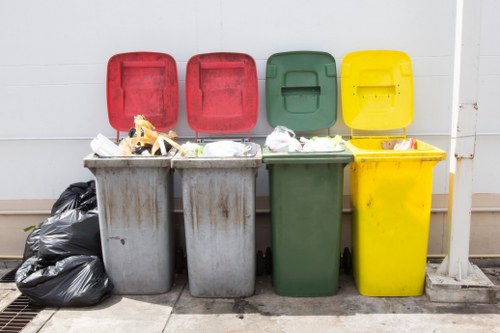
One of the most common questions customers ask is what can be recycled and what needs separate handling. The answer depends on the material type, condition, contamination, and local processing rules. A professional collection team can help identify which items can go into recycling streams and which need different treatment.
In many London collections, recyclable or recoverable materials may include cardboard, paper, plastics, metal, timber, textiles, certain electrical items, and some types of green waste. Construction and refurbishment projects can also produce recyclable material such as clean wood, metal offcuts, packaging, and some rubble-related material, depending on the nature of the waste and how it has been sorted.
It is important to be realistic: not everything can be recycled, and some items must be handled separately for safety or compliance reasons. Mixed waste that contains food residue, paint, oils, chemicals, plasterboard contamination, or damaged electrical components may need special sorting. A good local provider should explain this clearly so you know what to expect before the collection begins.
Examples of commonly handled waste streams
- Household clear-out items
- Office furniture and packaging
- Retail shelving and display materials
- Light construction debris
- Garden and outdoor waste
- Metal fixtures and fittings
- Cardboard and mixed packaging
- Selected electrical and electronic items
Items that may need special handling
Some materials are not suitable for a standard recycling collection. These may include hazardous substances, certain chemicals, gas bottles, large volumes of liquid waste, asbestos-related material, and items requiring specialist disposal arrangements. If you are unsure, it is always best to ask before booking so the team can advise on the right approach.
How the Service Works

For most customers, the process should feel straightforward from the first enquiry to the final collection. A well-organised waste recycling service in London will aim to make things simple, clear, and time-efficient, especially when access is limited or the waste is spread over several rooms or floors.
The first step is usually to describe what needs to be removed. This might involve a few bulky items, multiple sacks of mixed rubbish, or a full clearance involving recyclable materials and general waste. Some teams may ask for photographs or a rough list so they can understand the volume, the type of waste, and the access conditions. This helps avoid surprises and ensures the right vehicle and crew are sent.
On the day of collection, the team will usually arrive during the agreed time window, assess the load, and then remove the waste from inside or outside the property, depending on what has been arranged. In many London properties, this can include navigating stairs, entryways, basements, side returns, service yards, or communal areas. A skilled team works carefully to avoid damage and disruption.
Typical service steps
- Make an enquiry and describe the waste
- Share photos or item details if needed
- Receive an estimate based on volume, material, and access
- Agree a collection time that suits your schedule
- Prepare items for easy pickup if requested
- Waste is removed and sorted for recycling where possible
- The site is left tidy and ready for use
This process is particularly useful for busy London customers who need speed and reliability. Whether you are running a business or managing your home, you want the job handled properly without having to coordinate multiple contractors or sorting arrangements yourself.
H4: Why local knowledge matters during collection
In London, local knowledge can make a big difference. Street access may be tight, parking may be limited, and some properties are difficult to reach from the road. A team that works across the city is more likely to know how to handle controlled parking zones, timed loading areas, permit requirements, and the practical realities of busy borough streets. That can save time and reduce delays on the day.
What Is Included in a Waste Recycling Collection?

The exact details of a collection depend on the provider and the type of waste involved, but customers usually want a clear idea of what is included before they book. A trustworthy service should be transparent about the scope of the job so you can plan properly.
In many cases, a waste recycling collection can include lifting and loading, sorting suitable materials, transporting waste from the property or site, and sending recyclable items to the appropriate facility where possible. Some services also include basic sweep-up after the collection so the area is left clean and usable. For business customers, this can be especially helpful when work needs to continue straight after the clearance.
It is also common for the service to cover a range of item types in one visit. That might mean removing old office chairs, broken shop fittings, packaging waste, timber offcuts, and mixed household items from the same location. Being able to combine different material types into one organised pickup can save a lot of time compared with arranging several separate collections.
Ask about these points before booking
- Whether loading is included
- How recyclable materials are sorted
- Whether heavy items are accepted
- How access restrictions may affect the job
- Whether multiple rooms or floors are included
- What happens to reusable items
- Whether same-day or short-notice collection is available
Clear communication before the visit is always helpful. It allows the team to bring the right equipment, estimate the time needed, and avoid delays at busy properties or commercial premises.
Pricing Factors to Consider
Customers often want to know what affects the cost of waste recycling in London. While exact prices vary, the main factors are usually straightforward. Understanding them can help you compare services and choose the right solution for your budget and project type.
Pricing commonly depends on the volume of waste, the type of materials, how easy the property is to access, and whether the collection requires extra labour or specialist sorting. A small household clear-out from a ground-floor flat will usually be different from a mixed commercial clearance in a busy high street unit or an upper-floor office with limited lift access. The location itself may also matter because parking, waiting time, and loading conditions can affect the overall work involved.
Other factors can include the presence of heavy items, awkward furniture, delicate access, or waste requiring separate handling. If you are clearing a construction site or renovation project, the material mix matters too, especially if recyclable items are separated from general debris. The more accurately you describe the job, the easier it is to get a sensible quote.
Factors that often influence cost
- Waste volume
- Material type
- Access conditions
- Distance from vehicle to waste
- Labour required to remove items
- Sorting and recycling requirements
- Urgency or short-notice booking
If you want value for money, compare more than just the headline quote. A strong service should save time, reduce disruption, and handle the work properly, which can be especially valuable for busy London properties where delays can be expensive.
Preparation Checklist Before Your Collection
Good preparation can make a recycling collection faster and smoother. It is not always necessary to do much in advance, but a few simple steps can help the team work efficiently and reduce the chance of confusion on the day.
For homes, it helps to gather similar items together if you are able to do so safely. For businesses, it can be useful to separate boxes, furniture, and loose materials where possible so the crew can identify the load quickly. If you are in a flat or shared building, letting building staff know about the booking may also make access easier, especially if there are service entrances, lift bookings, or restricted loading times.
For renovation or trade jobs, it is often helpful to keep recyclable materials separate from contaminated waste. Clean timber, metal, cardboard, and packaging are usually easier to handle when not mixed with wet plaster, paint, food waste, or broken fixtures. This can improve the efficiency of the collection and help the team route materials appropriately.
Simple preparation checklist
- Identify what needs removing
- Separate recyclable items if practical
- Clear access routes where possible
- Check building entry requirements
- Reserve loading space if needed
- Tell the team about heavy or awkward items
- Flag any special waste concerns in advance
Even a few minutes of preparation can make a big difference in a busy London setting. It helps avoid delays in streets where parking is tight and access windows may be limited.
Why Choose a Local London Recycling Company?
There are real advantages to using a company that works locally and regularly across London. The city’s geography, road layout, parking restrictions, and housing stock create challenges that are not always easy for non-local teams to manage. A local provider is more likely to understand how to plan collections efficiently and respond quickly when schedules are tight.
This matters for all kinds of properties. Victorian terraces may have narrow hallways and side access issues. Mansion blocks and modern apartments may require lift bookings or concierge coordination. Retail units on busy roads may need out-of-hours collections to avoid disrupting customers. Warehouses and light industrial sites may need a team familiar with loading bays and yard access. Local experience means the service can be adapted to the site, not forced into a one-size-fits-all process.
A London-based team may also be more flexible about timing. Early morning, evening, or same-day arrangements can be especially useful when work is urgent or must fit around trading hours, tenant handovers, or contractor schedules. That flexibility is one of the main reasons customers search for waste recycling in London rather than using a generic provider with limited local knowledge.
Benefits of choosing a local company
- Better understanding of borough access rules
- More practical planning for parking and loading
- Faster response for urgent jobs
- More suitable for flats, terraces, and commercial units
- Ability to work around busy city schedules
- Clearer communication about collection logistics
Local service is often the difference between a stressful clearance and a smooth one.
Areas Covered Across London
Waste recycling services are often required across a wide range of London boroughs and neighbourhoods, from central districts to outer areas. Because the city is so varied, it helps to work with a team that regularly covers different property types and road layouts throughout the capital.
Typical coverage may include central and inner London locations such as Westminster, Camden, Islington, Southwark, Kensington, Chelsea, Lambeth, Hackney, Hammersmith, Tower Hamlets, and the City, along with outer areas such as Croydon, Ealing, Barnet, Brent, Waltham Forest, Greenwich, Richmond, and Wimbledon. Customers in these areas often face different access conditions, but the need for dependable collection remains the same.
Whether you are dealing with a small flat clearance in a dense residential area or a larger commercial project near a transport hub, the aim is to make recycling collections practical and efficient. If your area is not listed here, it is still worth requesting a quote, as many local teams cover a wide radius across Greater London.
Suitable for a wide range of London property types
- Flats and apartment blocks
- Terraced houses and townhouses
- Converted Victorian and Edwardian homes
- Retail shops and shopping units
- Offices and shared workspaces
- Warehouses and storage units
- Restaurants, cafes, and hospitality venues
- Construction and refurbishment sites
FAQs About Waste Recycling in London
How do I know if my waste can be recycled?
The easiest way is to describe the items clearly or send photos if requested. Materials like cardboard, metal, timber, and some plastics are often recyclable, but contamination and mixed waste can change what is possible. A collection team should be able to advise before the job is booked.
Can you collect waste from flats and upper floors?
Yes, many London collections involve flats, walk-up buildings, and properties with limited lift access. Just let the team know in advance so they can plan the right crew and understand the access conditions.
Do I need to sort everything myself?
Not always. Some customers prefer to sort materials in advance, but a professional service can often handle sorting as part of the collection. If you do separate recyclables beforehand, it may make the process quicker.
What if I have a mix of recyclable and general waste?
That is very common. Many jobs include a mixture of materials, especially during clear-outs and refurbishments. The team can usually separate waste streams where appropriate and advise on any items that need different handling.
Can businesses book regular recycling collections?
Yes. Regular or repeat collections can be useful for offices, retail premises, hospitality venues, and managed properties that produce ongoing waste volumes. A consistent arrangement can help maintain a tidy workspace and support day-to-day operations.
How far in advance should I book?
It depends on how urgent the job is, but many customers prefer to book as early as possible, especially for busy periods or specific time windows. If you need a short-notice collection, it is still worth asking whether an earlier slot is available.
Will the team remove items from inside the property?
In many cases, yes, though this depends on the service terms and access details. It is always best to confirm whether items will be collected from inside, outside, or both, especially if the waste is spread across multiple floors.
Book Waste Recycling in London With Confidence
If you need a practical, reliable way to clear recyclable materials from your home, business, or worksite, a local team can make the process much easier. Waste recycling in London works best when the service is built around the realities of the city: access challenges, time pressure, varied property types, and the need to keep disruption low. That is exactly why customers across the capital look for a provider that understands both the job and the location.
From one-off clear-outs to regular collections, the right service can help you stay organised, reduce clutter, and handle materials responsibly. It can also save you time by taking care of lifting, loading, and sorting where appropriate, leaving you free to focus on your home, business, or project.
Contact us today, request a free quote, or book your service now. If you have waste ready for collection in London, take the next step and arrange a service that fits your property, schedule, and recycling needs.