Large Item Collection in London
If you need Large Item Collection in London, you are probably dealing with something awkward, heavy, or simply too bulky to move on your own. A sofa that will not fit in the lift, a mattress that has seen better days, a wardrobe that needs dismantling before it can leave the flat, or an office desk that has outgrown your workspace can all turn into a stressful job very quickly. For many London residents and businesses, the challenge is not just lifting the item; it is getting it out of the property safely, through narrow hallways, down stairwells, past parked cars, and away without causing damage or disruption.
That is where a local, reliable collection service makes a real difference. Whether you live in a period terrace in Islington, a top-floor flat in Peckham, a modern apartment in Canary Wharf, or a shop unit in West London, the right team can handle the awkward lifting, loading, and disposal side of the job. This page is designed to help local customers understand what the service includes, how it works, what affects pricing, and how to prepare so the collection runs smoothly from start to finish.
Large item collection is often booked for one item, but it can also be part of a bigger clear-out. You may be clearing space after a move, replacing old furniture, emptying a rented property, or removing bulky items from a commercial site. Whatever the reason, a proper collection service should make the process straightforward, tidy, and as stress-free as possible.
What Large Item Collection Covers
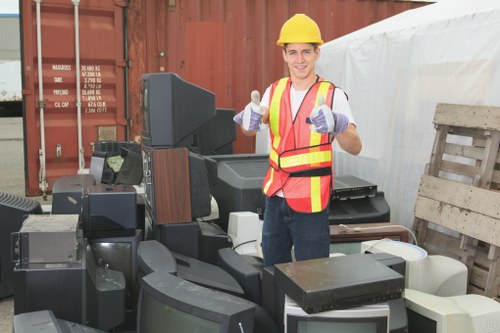
Large item collection is designed for bulky household and commercial items that are difficult to move with a normal car or a standard household waste bin. It is especially useful when an item is too heavy, too large, too awkwardly shaped, or too fragile to transport without proper handling. In London, where access can be tight and building layouts vary widely, a professional collection team helps avoid damage to walls, floors, doors, lifts, and communal areas.
Common items collected include:
- Sofas, corner sofas, sofa beds, and armchairs
- Mattresses, bed frames, divan bases, and wardrobes
- Dining tables, coffee tables, sideboards, and shelving units
- White goods such as fridges, freezers, washing machines, and dishwashers
- Office furniture including desks, task chairs, filing cabinets, and cabinets
- Gym equipment, bulky storage units, and commercial fixtures
- Large electrical items and mixed bulky waste from refurbishments
Some customers search for a single-item uplift, while others need multiple bulky items removed in one visit. In both cases, a local London team can often plan the job around access restrictions, collection windows, and parking limitations. That matters a great deal in busy areas such as Camden, Kensington, Hackney, Southwark, and Ealing, where space is limited and timing can be crucial.
Why Local Customers Book Large Item Collection in London
There are many reasons people arrange bulky item removal, and most of them come down to convenience, safety, and time. The larger the item, the more likely it is that you will need help to move it properly. In a city like London, even a simple job can become complicated if the item has to travel through narrow corridors, down stairs, around sharp corners, or across shared entrances with little room to spare.
Typical customer situations include:
- Replacing old furniture after a move or renovation
- Clearing a rental property between tenancies
- Removing furniture from probate or downsizing situations
- Disposing of broken appliances that are no longer usable
- Clearing offices, retail units, or hospitality spaces
- Making room for delivery of new furniture or equipment
For many London households, the main concern is not just lifting the item but handling it without making a mess or causing stress. A professional collection service reduces the physical strain, saves time, and helps avoid the risk of injury. It also gives you a single point of responsibility for the removal process, rather than trying to coordinate a lift, vehicle hire, and disposal separately.
How the Service Works

The process is usually simple and built around the customer’s property and item type. The goal is to make collection easy to arrange and efficient on the day. A trusted local company will normally ask for a description of the item or items, the location, and any access issues so they can plan the right approach before arriving.
Here is the usual process:
- Enquiry: You explain what needs collecting and where the item is located.
- Assessment: The team considers item size, access, parking, lifting requirements, and disposal needs.
- Booking: A collection time is arranged that suits your property, building rules, or business hours.
- Arrival and removal: The team safely removes the item, taking care around walls, floors, and shared spaces.
- Loading and disposal: The item is loaded and taken away for appropriate processing.
In many parts of London, collection planning matters just as much as the lifting itself. A basement flat in Brixton may need a very different approach from a fifth-floor apartment in Stratford or a townhouse in Fulham with narrow stair access. Professional teams understand that local properties vary, and that parking, loading bays, and permit restrictions can all affect how the job is completed.
What makes a good collection team?
A good team is careful, punctual, and prepared. They should be clear about what can be collected, explain how the job will be carried out, and treat your property with respect. That is especially important in London, where many properties have shared entrances, lifts, or restricted access times. You want people who can work efficiently without leaving you to deal with avoidable hassle afterwards.
Types of Properties and Areas We Commonly Cover

London is a city of contrasts, and the property types vary enormously from one street to the next. That means large item collection needs to be flexible. One week might involve a family house in Richmond, and the next could be a warehouse unit in North London, a student flat in Shoreditch, or a retail back room in Wimbledon. A local service understands that no two collections are quite the same.
Common property types include:
- Purpose-built flats and apartment blocks
- Converted houses with narrow staircases
- Victorian and Edwardian terraces
- Modern developments with concierge or lift access
- Shared housing and rental properties
- Offices, shops, studios, and storage units
Areas often covered include Central, North, South, East, and West London, along with nearby neighbourhoods and boroughs such as Westminster, Lambeth, Tower Hamlets, Haringey, Wandsworth, Brent, Barnet, Croydon, and Greenwich. Whether you are near a busy high street, a residential estate, or a commercial district, local knowledge helps the collection run more smoothly. It also matters when vehicles need to stop legally and safely near your property, which can be a challenge in streets with limited parking or controlled loading zones.
Why London access issues matter
Access challenges are one of the biggest differences between a simple lift-and-load job and a smooth collection. Stair-only buildings, narrow hallways, split-level homes, lift size restrictions, low ceilings, and limited stopping space can all increase the time and care needed. Experienced collection teams plan for these issues in advance, reducing the chance of delays or damage.
Items That Often Need Special Care

Not every large item is simply “big.†Some are fragile, awkward, or contain materials that need careful handling. A sofa with a wooden frame may need protective manoeuvring to prevent corner damage. A fridge freezer may be heavy and hard to grip. An antique wardrobe may need to be dismantled. If your item is valuable, sentimental, or unusually shaped, it is worth mentioning that from the start so the collection can be planned correctly.
Examples of items that often need extra care:
- Glass-topped furniture and display cabinets
- Large wardrobes that may need dismantling
- Heavy American-style fridge freezers
- Corner sofas and sofa beds with awkward frames
- Exercise equipment with fixed parts or weight plates
- Commercial units, counters, and built-in fixtures
Some customers also need a mixed bulky load removed, such as an old bed, a mattress, and a chest of drawers from one room, or office furniture from several floors. In those cases, an organised team can save a huge amount of time by handling the loading sequence and making the removal as efficient as possible. Good preparation at booking stage is often the key to a smooth collection.
When dismantling may be useful
Dismantling is not always needed, but it can help when an item will not fit through a door, lift, or stairwell. Wardrobes, bed frames, certain desks, and some shelving systems are much easier to remove in sections. If dismantling is required, it should be discussed in advance so the right tools and time are allowed.
What Is Usually Included in a Large Item Collection
Customers often want to know exactly what happens on the day and what is included in the service. While jobs can vary depending on the item and location, a standard large item collection normally includes safe lifting, loading, transport, and responsible disposal. If the item is especially bulky, the team may also need to dismantle it before removal or carry it through shared areas with extra care.
Typical inclusions may be:
- Collection of one or more large items from inside or just outside the property
- Careful lifting and carrying by trained staff
- Loading into a suitable vehicle
- Transport away from the property
- Sorting for reuse, recycling, or disposal where appropriate
- Basic dismantling assistance where agreed in advance
For business customers, it may also include clearing bulky office equipment, old display units, stockroom furniture, or fixtures that are no longer required. Residential customers may book the service for end-of-tenancy clearances, spring cleaning, moving house, or replacing old furniture after a renovation. The important thing is that the collection is handled in a way that fits the property, the item, and the customer’s schedule.
What is not always included?
Some jobs may need extra planning if access is difficult, if heavy dismantling is required, or if the item needs to be removed from a very restricted space. For example, a top-floor flat with no lift in central London may take more time than a ground-floor collection with easy vehicle access. It is always best to describe the item clearly when you request a quote so expectations are clear from the beginning.
Pricing Factors for Large Item Collection in London
Every collection is different, so pricing is usually based on the details of the job rather than a one-size-fits-all approach. London properties can bring extra variables such as limited parking, building access rules, stair-only access, or congestion around the property. That is why an accurate quote normally depends on a few key factors.
Common factors that affect cost include:
- Size and weight of the item
- Number of items being collected
- Access difficulty, such as stairs or lift restrictions
- Parking or loading limitations near the property
- Need for dismantling or special handling
- Type of disposal required
- Distance and travel time within London
If you are booking a one-off sofa collection in North London, the work may be straightforward. If you are clearing several large items from a commercial unit in Central London with restricted loading times, the job may need more coordination. The best way to avoid uncertainty is to provide as much detail as possible when requesting your quote. That helps the team give you a realistic estimate and plan the right vehicle and crew size.
Request a free quote once you know what needs collecting. If you are unsure whether the item can be handled in one visit, describe it as clearly as you can and ask what information is needed.
How to Prepare for Collection Day
Good preparation can save time and help the visit go smoothly. Most customers do not need to move the item themselves, but a little planning before the team arrives can make a big difference. This is especially true in busy London homes and workplaces where access can be tight or shared with neighbours, staff, or visitors.
Useful preparation checklist:
- Measure doorways, hallways, and stair turns if access is likely to be tight
- Clear a path to the item where possible
- Remove smaller objects from furniture, drawers, or shelves
- Defrost fridges or freezers in advance if asked to do so
- Notify building management if access or lift use needs permission
- Check parking or loading restrictions near your property
- Keep pets and children away from the work area during lifting
If your building has a concierge, booking desk, or specific access instructions, it helps to share those details before the collection. In flats and managed properties, this can prevent delays at the entrance. For office and commercial customers, it may also be helpful to let staff know when the team will arrive so loading areas, corridors, or lifts can be kept clear.
Simple tip for London homes
If the item is especially large, take a quick look at the route out of the property before collection day. Narrow stairs, sharp corners, and old doorframes are common in London homes, and spotting an issue early means the team can prepare the right approach.
Residential Large Item Collection
Household collection is one of the most common reasons people call for bulky item removal. Whether you are replacing a worn-out sofa, clearing a spare room, or getting rid of broken bedroom furniture, a professional team can take the strain out of the process. For families, renters, landlords, and homeowners, this is often the easiest way to deal with bulky items without turning the weekend into a heavy-lifting project.
Residential situations often include:
- End-of-tenancy furniture removal
- Bulky item removal before or after a house move
- Clearing lofts, spare rooms, and garden rooms
- Replacing old appliances during home upgrades
- Removing damaged furniture after water or wear-related damage
- Decluttering when downsizing or reorganising space
Many London homes have limited storage space, so bulky items can quickly get in the way. A mattress leaning in a hallway, an old wardrobe taking over a bedroom, or a broken freezer sitting in the kitchen can make a property feel cluttered and difficult to use. A collection service restores space quickly and helps you move on with your plans without having to organise a van, loading help, and disposal separately.
Commercial Large Item Collection
Businesses also rely on large item collection when furniture, appliances, or fixtures need to be removed quickly and professionally. In London, this can apply to offices, shops, cafes, restaurants, studios, clinics, and storage spaces. Commercial sites often need a service that works around opening hours, staff access, tenant changes, or scheduled refurbishments.
Commercial customers commonly need help with:
- Office desks, chairs, cabinets, and conference tables
- Reception furniture and waiting-room items
- Retail shelving, counters, and display units
- Back-of-house appliances and storage equipment
- Items removed during fit-outs, moves, or refits
- Bulky waste generated during a closure or refurbishment
For business owners and property managers, the key benefits are efficiency and reliability. A bulky item collection service can help keep work moving, reduce clutter, and clear the way for new equipment or a fresh layout. In parts of London with strict access times or shared service entrances, having a local team that understands the area can make the work much easier to coordinate.
Why commercial clients value local expertise
Commercial properties often have more rules than homes. There may be loading bay restrictions, security checks, lift bookings, or noise-sensitive neighbours nearby. A local London team can factor these details into the plan and help keep disruption to a minimum.
Why Choose a Local Company for London Collections?
Choosing a local company for large item removal is about more than convenience. London is a city where access, timing, and transport details matter. A local team is more likely to understand borough rules, busy street layouts, controlled parking zones, and the practical realities of working in flats, terraces, offices, and mixed-use buildings.
Benefits of using a local London service include:
- Faster scheduling and better local route planning
- Familiarity with London parking and loading challenges
- Experience with tight stairwells, shared entrances, and lift restrictions
- Flexible support for homes, landlords, and businesses
- Practical advice before the collection, not just on the day
- A service that understands the pace and layout of the city
Local knowledge also helps when a property is in a difficult-to-access location or when the item is unusually large. A team that regularly works across London is more likely to anticipate issues rather than react to them late. That can save time and reduce frustration, especially if you are dealing with a busy household, a tenancy deadline, or a business move.
Book your service now if you already know the item is ready for removal and want a straightforward collection arranged with minimal fuss.
Areas Covered Across London
Large item collection is commonly booked across the capital, from residential streets to commercial districts. Because London is so varied, local teams often work across multiple boroughs and neighbourhoods in a single day. This means they can provide support whether your property is in a central location or further out in the suburbs.
Examples of areas commonly served include:
- Central London
- North London
- South London
- East London
- West London
- Nearby boroughs and surrounding districts
Customers in places such as Westminster, Camden, Hackney, Lambeth, Wandsworth, Brent, Lewisham, Hammersmith and Fulham, Tower Hamlets, Southwark, Greenwich, Croydon, and beyond often face different access or parking conditions. That is why local service matters. The same item can be simple to remove from one property and very difficult from another, depending on stair access, lift size, road access, and building rules. A flexible collection service takes those differences into account.
Frequently Asked Questions
Can one large item be collected on its own?
Yes. Many customers book collection for a single bulky item such as a sofa, mattress, wardrobe, or appliance. If it is just one item, the team can still assess the access and loading requirements before the visit.
Do I need to bring the item outside?
Not usually. In most cases, the collection team removes the item from inside the property, provided there is a safe path and suitable access. If the item is already outside, it helps to mention that when booking.
What if my item is too big for the lift or stairs?
That is a common situation in London. The team may be able to dismantle the item or use an alternative removal route if one is available. It is best to explain the access details in advance so the right plan can be made.
Can you collect from flats and upper floors?
Yes, many collections are from flats, maisonettes, and upper floors. However, the time and effort involved may vary depending on whether there is lift access, how wide the stairwell is, and whether parking or loading is nearby.
Are commercial collections available too?
Yes. Offices, shops, hospitality venues, studios, and other workplaces often need bulky item collection when furniture, appliances, or fixtures are being replaced or cleared.
How do I know what information to give when requesting a quote?
It helps to share the item type, approximate size, number of items, floor level, whether there is a lift, and any parking or access restrictions. The more detail you provide, the easier it is to plan the collection.
What Makes the Experience Easier for Customers?
A good collection experience should feel organised from the start. Customers want clear communication, careful handling, and a straightforward process that fits the realities of London living. That means being able to book a suitable time, knowing what information is needed, and trusting that the team will arrive prepared for the property and the item.
Things customers value most:
- Clear booking steps
- Practical advice about access and preparation
- Respect for the property and shared areas
- Efficient loading and removal
- A service suited to local conditions
Whether you are clearing space in a flat in Clapham, replacing office furniture in Shoreditch, or removing a bulky appliance from a house in Dulwich, the most useful service is one that removes the problem without adding more stress. That is why a local, customer-focused approach matters so much for London residents and businesses.
Final reminder before you book
If you are unsure whether your item qualifies as a large item collection, it is usually better to ask than to guess. Describe the item, tell the team where it is, and mention any access challenges. Contact us today to arrange a suitable collection time or request a free quote based on your job details.