Council Large Item Collection in London
If you need Council Large Item Collection in London, you are probably dealing with one or more bulky items that are too awkward, heavy, or inconvenient to move on your own. Sofas, mattresses, wardrobes, white goods, broken office furniture, garden waste, and general bulky rubbish can quickly take up valuable space in a flat, house, shop, or workplace. In a city like London, where stairwells can be narrow, parking is limited, and lift access is not always available, getting rid of large items is often more complicated than people expect.
That is where a local, practical removal service becomes useful. Whether you live in a Victorian terrace in Islington, a purpose-built block in South London, a mansion flat in Westminster, a new-build apartment in East London, or run a small business in a commercial unit in West London, bulky item removal needs to be handled carefully and efficiently. The right service helps you clear space without the stress of finding transport, loading heavy furniture, or figuring out how to dispose of items responsibly.
This page explains how council large item collection works, what customers usually need to know before booking, and why many London residents prefer a dedicated collection service when council options are limited, delayed, or inconvenient. If you are looking for a straightforward way to remove a large unwanted item, contact us today to discuss your collection needs and request a free quote.
What is council large item collection?

Council large item collection refers to the removal of bulky household or commercial items that cannot be taken away through standard rubbish collection. In London, this often includes furniture, appliances, and other oversized goods that need special handling. Some boroughs offer scheduled bulky waste pickup services, while others require residents to book in advance, pay a fee, or take items to a local reuse and recycling centre.
The exact rules vary across London boroughs, and that can be confusing for residents who have just one sofa to remove or a stack of old items after moving home, renovating, or clearing a property. If you are unsure whether your council will collect the item, whether it needs dismantling, or whether it must be placed outside by a certain time, a local collection team can help you understand the process and complete the job without unnecessary delays.
Many customers use this service when they need a reliable alternative to leaving bulky waste on the pavement or trying to transport it in a car that is too small. It is also useful for landlords, letting agents, estate managers, and commercial tenants who need to clear premises quickly and responsibly.
Why London properties need a different approach

London is unlike many other places when it comes to bulky item removal. Parking restrictions, controlled parking zones, narrow roads, permit requirements, busy high streets, and restricted access can all affect how a collection is carried out. A service that works well in a suburban area may not suit a top-floor flat in Hackney, a basement property in Camden, or an office space above a shop in Kensington.
Property types also vary widely across the capital. Customers may be dealing with long flights of stairs in older conversions, lifts that are too small for large furniture, communal entrances with timed access, or service yards shared with other businesses. In some areas, items have to be carried through courtyards, rear alleys, or shared hallways, which means the collection team needs to be organised, careful, and respectful of neighbours and building rules.
Local knowledge matters because it helps avoid wasted time, access issues, and missed collection windows. A team familiar with London can plan for traffic, loading restrictions, and building access, making the whole process smoother for homeowners, tenants, and commercial customers alike.
What items can be collected?
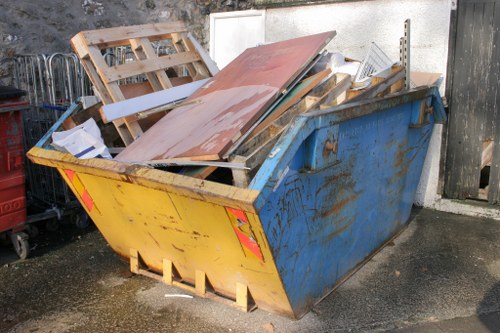
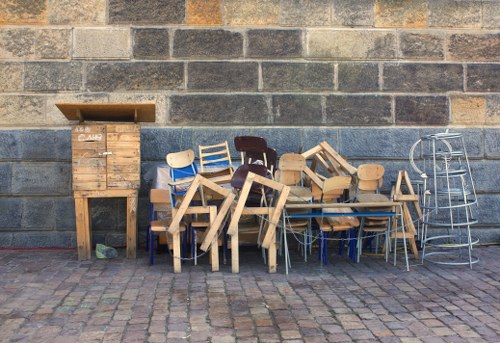
Large item collection covers a wide range of bulky objects that are unsuitable for normal bins or sacks. Common examples include old sofas, armchairs, beds, mattresses, wardrobes, tables, chairs, chest of drawers, bookcases, fridge freezers, washing machines, tumble dryers, cookers, filing cabinets, shop fittings, and broken office desks.
Customers also often need help with mixed bulky waste after a clear-out. This can include items from a loft, garage, shed, storage room, or office refurbishment. In many cases, the collection can also include smaller supporting waste that has come from the same project, such as dismantled parts, packaging, or broken fixtures, provided they are arranged in advance.
Because every property and every load is different, it is sensible to describe the items clearly when enquiring. Mentioning whether the objects are already downstairs, whether they need disassembly, and whether there is lift access helps the team plan the collection efficiently.
How the collection service works
The process is usually simple and designed to reduce hassle for the customer. First, you explain what needs to be removed, how many items there are, and where the property is located. Then the collection is arranged at a suitable time, taking into account access, parking, and any building restrictions. On the day, the team arrives, loads the items, and removes them from the property.
For London households and businesses, this is especially helpful when time is limited. You may be clearing a flat before a tenancy ends, making space for a new sofa delivery, emptying a storage room, or removing old furniture from a commercial office. Instead of hiring a van, lifting heavy items yourself, and arranging disposal separately, the service brings the manpower and transport together.
The best collections are organised with clear communication. If the item is bulky, fragile, difficult to reach, or needs to be taken from an upper floor, it is helpful to explain that in advance. This allows the team to arrive prepared and reduces the risk of delays. Request a free quote if you want a straightforward answer before booking.
What is included in a bulky item collection?
A professional collection service should do more than simply take the item away. It should also make the process easier from start to finish. While services differ, customers often expect help with lifting, loading, transporting, and handling the items in a way that supports responsible disposal or reuse where possible.
Typical inclusions
- Collection from homes, flats, offices, retail units, and other premises
- Removal of one item or multiple large items
- Loading and transport by a suitable vehicle
- Careful handling in narrow hallways, staircases, or shared areas
- Separation of reusable, recyclable, and waste materials where applicable
- Clear communication about access needs and collection arrangements
For many customers, the most valuable part is not just the removal itself, but the convenience of having everything handled in one visit. That matters when you are managing a move, a refurbishment, or a busy household and simply do not have the time or equipment to deal with bulky waste on your own.
Who uses council large item collection in London?
Residential customers
Homeowners, tenants, and landlords use large item collection for all kinds of situations. Some people need to clear a single mattress before a bed replacement. Others are dealing with a full flat clearance after a move, relationship change, or bereavement. Families may have outgrown old furniture, while students may need to dispose of items at the end of term.
In London, flats are especially common, so residents often need help with items that are awkward on stairs or too heavy to move through a communal entrance. A local collection team understands these challenges and can work around them more easily than a person trying to sort everything alone.
Commercial customers
Businesses also rely on bulky item removal. Offices may need to dispose of desks, chairs, shelving, or filing cabinets during a refit. Shops may need old display units taken away. Hospitality venues may have worn seating or equipment to clear. Estate managers and letting agents may require quick turnaround between tenancies or after end-of-lease clean-outs.
For commercial customers, time is often critical. A delayed clearance can hold up decorating, repairs, handovers, or reopening. Having a service that works around building access and operational hours can make a major difference.
Why choose a local London team?
Practical local advantages
Choosing a local company for council large item collection in London can make the service faster, easier to arrange, and better suited to the realities of the city. Local teams are more likely to understand congestion, parking restrictions, resident permits, and borough-specific access considerations.
Examples of where local knowledge helps include:
- Managing collections in busy areas such as central London, Shoreditch, Soho, and Holborn
- Working around residential parking zones in areas like Clapham, Dulwich, and Tooting
- Handling limited access in converted buildings and mansion blocks
- Coordinating with concierge desks, building managers, or office reception points
- Planning for loading restrictions in high-traffic streets and narrow mews roads
A local team is also more likely to understand how different boroughs operate around bulky waste and could help customers who are unsure whether the council route is the best option for their item, timing, or property layout.
Areas covered across London
Bulky item collection needs can arise anywhere across the capital, from inner-city apartments to suburban family homes. Services are often arranged across North London, South London, East London, West London, and Central London, with customers in nearby districts and surrounding neighbourhoods also commonly requesting help.
Typical areas and neighbourhoods include:
- Camden, Kentish Town, and Hampstead
- Islington, Angel, and Highbury
- Hackney, Dalston, and Stratford
- Southwark, Peckham, and Lewisham
- Wandsworth, Battersea, and Clapham
- Hammersmith, Fulham, and Shepherd’s Bush
- Brent, Ealing, and Acton
- Greenwich, Woolwich, and Charlton
- Richmond, Kingston, and Twickenham
- Westminster, Kensington, and Chelsea
This is not limited to the locations above. If you are elsewhere in Greater London and need a bulky waste collection arranged, it is still worth enquiring. The key is to provide a clear description of the items and access conditions so the service can be planned properly.
Preparing for collection
A simple checklist
Preparing in advance helps the collection run smoothly and can reduce the time needed on site. Even if the team does the heavy lifting, a little preparation makes a noticeable difference, especially in tight London properties where space is limited.
- Identify exactly which items need removing.
- Check whether they are already accessible or need to be moved.
- Measure doorways, hallways, stairwells, or lift openings if the item is unusually large.
- Clear a route through the property so the team can lift safely.
- Tell the team about parking restrictions, concierge procedures, or permit requirements.
- Separate anything you want to keep before collection day.
- If needed, remove personal items from drawers, cupboards, or storage spaces inside furniture.
If the item is particularly heavy or dismantling is required, let the collection team know in advance. In some cases, it may be possible to take the item apart before removal, which can be the difference between a difficult collection and an easy one.
What affects the price of a large item collection?
Customers often want to know what affects the cost of council large item collection in London. While exact prices vary depending on the provider and the borough, several common factors usually influence the quote. Understanding these factors can help you compare options and avoid surprises.
Pricing factors often include:
- Number of items being removed
- Size and weight of the furniture or appliance
- Access difficulty, such as stairs, no lift, or long carry distances
- Location within London and travel time
- Parking or permit requirements
- Disassembly needs or special handling
- Type of material, especially for mixed waste or heavier items
It is sensible to ask for a clear quote based on your actual items rather than a vague estimate. That way, you can make an informed decision and choose the most suitable collection option for your home or business.
Book your service now if you want to move forward with a specific collection date or need a quote based on the items you have on site.
How to decide between council collection and a private bulky item service
When council collection may suit you
Some boroughs provide an effective bulky waste collection service that works well for residents who can wait for an available slot and place items out in the required way. This may be a good option when you have a small number of items and access is simple.
When a local private service may be more practical
A private collection service is often preferred when timing is important, when items are difficult to move, or when you need flexibility around the day and time. It may also suit you better if you are dealing with a basement flat, upper-floor property, shared access, or a large clean-out that is more complex than a standard council pickup.
Customers sometimes choose a private team because it reduces the effort on their side. Rather than waiting for a slot or moving items to the kerb themselves, they can arrange a collection that fits their schedule and property layout.
Responsible disposal and reuse
Bulky item removal is not only about clearing space. Many customers also want to know that items are handled responsibly. That can include reuse where suitable, recycling of materials where possible, and correct disposal of waste that cannot be reused.
Items such as metal bed frames, wooden furniture, and certain appliances may be suitable for sorting into different material streams, depending on condition and local handling methods. If an item is still usable, some customers also ask whether it can be separated from general waste so it can go on to another purpose.
Good disposal practice matters because it helps reduce unnecessary waste and gives customers peace of mind that the collection has been carried out properly. If you have special concerns about older electricals, large furniture, or mixed materials, mention them when you enquire so the team can advise on the best approach.
Common customer situations in London
Moving home
Moving is one of the most common reasons people book council large item collection in London. When you are preparing a flat or house for handover, the last thing you want is to be left with a bulky sofa or mattress that does not fit your new space. A quick removal helps keep the move on track.
Renovating or redecorating
Home improvements often involve replacing furniture, clearing old appliances, or removing office items from a room that is being repurposed. During refurbishments, bulky waste can pile up fast. A collection service keeps the project moving and prevents clutter from slowing work down.
Landlord and letting situations
When a tenancy ends, landlords and agents may need old items removed before cleaning, repairs, or new occupancy. In busy London rental markets, turnaround time can be tight. Having a local collection arranged in good time helps avoid delays between tenants.
Office and retail clearances
Businesses frequently need to remove old desks, shelving, or seating after changes to layout or branding. Because commercial premises often have loading and access rules, an experienced removal team can be especially useful here.
FAQs about council large item collection in London
How do I know whether my item qualifies as bulky waste?
If the item is too large for a normal bin collection, too heavy to move easily, or awkward to transport in a car, it usually qualifies as bulky waste. Common examples include sofas, mattresses, wardrobes, and large appliances.
Can items be collected from a flat or upper floor?
Yes, collections are often arranged from flats, maisonettes, and upper-floor properties. It is important to mention stairs, lifts, and any access restrictions when you enquire.
Do I need to move the item outside first?
That depends on the service and the property. Some collections can be taken from inside the premises, while others may require items to be placed in an agreed location. Always confirm the arrangement in advance so there is no confusion on the day.
What if I have more than one large item?
Multiple items are common, especially during moves or clear-outs. You can usually arrange for several bulky items to be removed in one visit, provided the team knows what to expect.
Can I book if I have parking restrictions nearby?
Yes, but the parking situation should be explained clearly. Many parts of London have controlled parking zones, resident permits, or loading limits, so advance planning is helpful.
Is it worth using a collection service for just one item?
Often, yes. If the item is too heavy, too large, or too difficult to dispose of yourself, a professional collection can save time and effort. This is especially true in London, where transport and access can be complicated.
What to ask before you book
Before you arrange a bulky item pickup, it helps to ask a few practical questions. This makes sure the service is right for your item, your property, and your schedule.
Useful questions include:
- Can you collect from my specific type of property?
- Do you need items to be outside, or can you collect from inside?
- How should I describe access if I have stairs or no lift?
- What details do you need for a quote?
- Can multiple bulky items be removed in one visit?
- How much notice is usually needed?
These questions are especially helpful in London, where access varies so much from one street or building to the next. The more accurate the information you give, the easier it is to arrange a collection that works well for both sides.
When the council route is not enough
There are times when council large item collection is not the easiest option. You may need faster removal, a more flexible time slot, or help with items that are difficult to shift. You might also be dealing with mixed bulky waste after decorating, end-of-tenancy cleaning, or a commercial move that is too big for a standard household booking.
In those situations, a local removal team can step in and provide the practical support you need. The aim is simple: remove the unwanted item safely, minimise disruption, and free up your space without unnecessary complications.
If you are ready to clear bulky items from your home or workplace, contact us today to discuss the job and request a free quote. A quick enquiry is often the easiest way to understand your options and choose the most suitable collection method.
Final thoughts
Council large item collection in London is a useful service for residents and businesses who need to get rid of bulky items without the strain of doing everything themselves. From sofa removals in compact flats to office furniture clearances in busy commercial areas, the right collection service saves time, reduces stress, and makes the process far more manageable.
Because London has so many different property types, parking rules, and access challenges, choosing a local service can make a real difference. A team that understands the city can plan around stairs, lifts, loading bays, and tight schedules, giving you a smoother experience from start to finish.
If you have a large item taking up space in your home, flat, office, or shop, now is the right time to arrange removal. Book your service now and take the first step toward a clearer, more usable space.