Commercial Waste Disposal in London
Businesses across the capital generate waste every day, from office paper and packaging to shop fittings, food waste, and bulky items that need careful handling. When that waste starts to build up, it can affect day-to-day operations, hygiene, and how professional your premises look to staff and visitors. Commercial waste disposal in London is about more than simply taking rubbish away; it is about keeping your workplace compliant, tidy, efficient, and ready for business.
If you run a shop in a busy high street, manage a restaurant with limited storage, oversee an office block in the city, or look after a mixed-use property in outer London, you need a service that understands local access, collection timing, and the pressures of operating in a crowded urban environment. A reliable commercial waste solution can make waste management simple, reduce disruption, and help you stay on top of your daily responsibilities.
London presents unique challenges. Tight loading bays, controlled parking zones, narrow mews roads, basement storage rooms, shared access points, and peak-time traffic all affect how waste should be removed. A local team that knows the city can plan collections around these realities, helping you avoid delays and keep your premises running smoothly.
Why London Businesses Need a Practical Waste Solution

Every business produces different waste streams, and each one needs handling in the right way. An office in Canary Wharf may need regular paper and mixed recycling collections, while a cafe in Shoreditch may need frequent food waste removal, cardboard flattening, and general rubbish clearance. A warehouse in Southwark or a retail unit in Kensington may need bulky item uplift after a refit or seasonal stock change. The right service should be flexible enough to match your operation.
Commercial waste disposal in London is especially important because space is often limited. Many premises do not have room for large indoor bins, and outdoor storage may be restricted by landlords, building management, or local access rules. If waste is left to pile up, it can create odours, block fire exits, attract pests, and make a poor impression on staff and customers.
There is also the issue of compliance. Businesses have a duty to ensure waste is collected and managed properly. That means using a service that can provide the right paperwork, handle different waste types responsibly, and collect materials in a way that suits your business schedule. A well-organised waste arrangement can save time, reduce stress, and support a cleaner working environment.
Who Our Commercial Waste Disposal Service Helps

London’s business landscape is varied, and waste needs can change dramatically from one street to the next. We work with a wide range of commercial customers, from small independent businesses to multi-site organisations. Whether you operate from a single premises or manage several locations across the capital, a tailored waste service can help keep things under control.
Typical customers include:
- Offices and co-working spaces
- Retail units, showrooms, and shopping parade businesses
- Restaurants, cafes, pubs, and takeaways
- Hotels, guesthouses, and serviced accommodation
- Warehouses, distribution units, and light industrial sites
- Schools, nurseries, and training centres
- Medical and dental practices
- Property managers and facilities teams
- Construction-related offices and refurbishment contractors
Each customer has different needs. A finance office may mainly require confidential paper disposal and packaging waste collection, while a hospitality business may need food waste, glass, and general waste removed more frequently. A retail store near Oxford Street may face daily waste build-up because of heavy customer footfall, whereas a studio in Hackney might need intermittent clearances after deliveries or events.
What matters is that the service is designed around the way your business works, not around a one-size-fits-all schedule. That is where a local London provider becomes genuinely useful.
What Is Included in Commercial Waste Disposal

A good waste service should make the whole process straightforward from start to finish. That usually begins with an assessment of what you need removed and how often collections should happen. It then moves into a practical plan that fits your premises, your access arrangements, and your business hours.
Depending on your requirements, commercial waste disposal may include:
- Regular scheduled collections
- One-off rubbish removal
- Office clearance and furniture disposal
- Cardboard and packaging removal
- Food waste collections
- General commercial rubbish uplift
- Bulky waste and unwanted equipment removal
- End-of-tenancy or end-of-lease clearances
- Post-refurbishment waste removal
- Support for bin store and communal area clean-ups
Some sites also need additional support with sorting waste into the right streams. For example, a restaurant may need organic waste separated from mixed rubbish, while a retail business may need cardboard flattened and prepared for collection. An organised collection system can make it easier for staff to follow internal procedures and keep storage areas tidy.
In many cases, businesses also value a service that can respond quickly when waste volumes suddenly increase. This may happen after a busy trading period, a stock refresh, a fit-out, or a change in occupancy. Having a dependable partner means you are not left dealing with overflowing bins or awkward storage issues at short notice.
How the Service Works
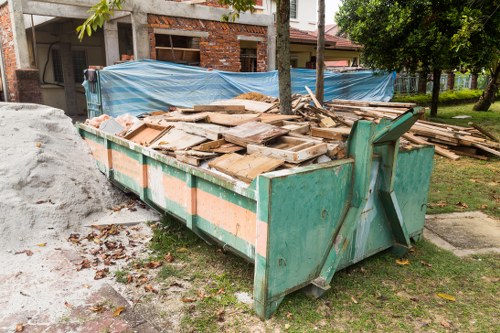
Commercial waste collection should be simple for your team. The goal is to remove waste without interrupting trading, meetings, deliveries, or customer access. A typical service process is designed to be efficient and easy to manage, especially for busy premises in central and Greater London.
Here is how it often works:
- Initial enquiry – You explain the type of waste, the volume, and how often you need collections.
- Site understanding – The collection plan takes into account access, lifting requirements, parking restrictions, and operating hours.
- Collection schedule – A regular plan or one-off removal is arranged to suit your business.
- Waste removal – Waste is collected from the agreed location with minimal disruption.
- Responsible disposal – Waste is taken away and managed in line with relevant requirements.
For many London businesses, timing is important. Early morning collections may suit offices before staff arrive. Late evening or overnight pick-ups may work better for restaurants, shops, or venues with continuous customer flow. In areas such as Westminster, Camden, Islington, or the City, access can be tight, so punctuality and planning matter just as much as the actual removal.
Clear communication helps everything run more smoothly. If your site has loading restrictions, narrow entrances, shared courtyards, or basement access, it is helpful to mention these early. That way, collections can be arranged with the right vehicle size, the right crew, and the right timing.
Why a Local London Team Makes a Difference
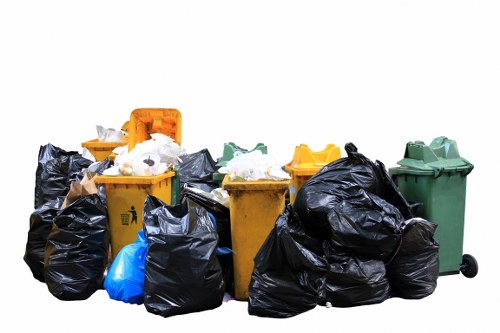
London is not a single uniform area. The practical needs of a business in a commercial tower near Liverpool Street are very different from those of a high-street retailer in Ealing or a restaurant in Clapham. A local team is more likely to understand the realities of the city: congestion, parking controls, delivery windows, building access rules, and the day-to-day pressure of keeping business moving.
That local knowledge can save time. It can also reduce the risk of missed collections, unnecessary disruption, and repeated trips caused by access issues. If your premises sits on a busy road, inside a courtyard, in a mixed-use block, or in a zone with strict loading restrictions, the collection plan needs to be realistic. A local provider can often adapt more easily to those conditions.
Another advantage is responsiveness. When waste levels increase unexpectedly, having a nearby service can help you deal with the situation quickly. That is especially valuable for businesses that experience seasonal peaks, event-related surges, or regular stock rotation. For local customers, convenience is not a luxury; it is part of keeping the business operating well.
From large commercial estates to smaller neighbourhood premises, a London-based service can understand the mix of property types across the city. Offices in glass-fronted developments, restaurants in converted terraces, shops beneath residential flats, and business units on industrial estates all need different handling. The right local team knows how to work around those differences.
Commercial Waste Types We Commonly Handle
Different industries produce different waste streams, and the more clearly these are separated, the easier it is to keep things under control. Some businesses need frequent mixed waste collection, while others have specific disposal needs based on what they sell, store, or produce.
Common commercial waste types include:
- Mixed general waste
- Cardboard and packaging
- Paper and office waste
- Food and organic waste
- Glass bottles and jars
- Plastic wrapping and film
- Old furniture and fixtures
- Broken equipment and appliances
- Shop display waste
- Refurbishment and strip-out rubbish
Some waste streams are easier to manage when they are separated from the start. For example, cardboard from stock deliveries can often be collected efficiently if it is kept dry and flattened. Office paper waste may be easier to store in internal bins for scheduled removal. Food waste from hospitality premises should usually be handled more frequently to avoid smells and pests.
If you are unsure what category your waste falls into, it is worth discussing it before booking. That helps ensure the collection plan is practical and suited to your premises.
Benefits of Professional Waste Disposal for Businesses
Reliable commercial waste disposal offers more than just a clean bin store. It can improve the way your business feels, functions, and presents itself to staff, visitors, and suppliers. For many businesses in London, these benefits are immediate and noticeable.
Some of the main advantages include:
- A cleaner and safer workplace
- Better use of storage space
- Less disruption during trading hours
- More professional appearance for customers and visitors
- Reduced risk of overflow, odours, and pest problems
- Support for staff who need a simple disposal process
- Flexibility for one-off or regular collections
- Improved management of different waste types
In busy commercial areas such as Holborn, Shoreditch, King’s Cross, Wimbledon, or Hammersmith, waste can accumulate quickly because of foot traffic, deliveries, and high occupancy. A regular collection routine helps stop waste becoming part of the background clutter. For customer-facing businesses, that can make a real difference to presentation.
Well-managed waste also supports better internal operations. Staff are not left wondering where to put surplus packaging, old fixtures, or excess rubbish after a delivery. Clean, predictable waste handling makes everyday routines easier.
What to Expect on Collection Day
On collection day, the aim is to keep the process straightforward. The team should arrive at the agreed time, collect waste from the designated location, and remove it efficiently. If your premises has special access arrangements, that should be built into the plan in advance.
To help the day go smoothly, many businesses:
- Keep waste in a clearly identified storage area
- Ensure items are placed where they can be safely collected
- Separate recyclables where possible
- Leave access routes clear
- Notify the team about any temporary changes to access or opening hours
For businesses in shared buildings or managed estates, it is also useful to coordinate with building staff or facilities managers. That can help avoid confusion over access, lifts, or bin store use. In central London especially, good coordination can be the difference between a smooth visit and a delayed one.
Preparation Checklist for Businesses
Before your collection, a small amount of preparation can make the process quicker and more efficient. It may also help your staff keep on top of waste between visits.
- Identify the waste types that need removal.
- Check whether any items need separating or flattening.
- Make sure waste is placed in the agreed collection area.
- Keep corridors, fire exits, and loading points clear.
- Let relevant staff know when the collection is due.
- Flag any access changes, parking restrictions, or building rules in advance.
This simple preparation is especially useful for premises with limited space, such as basement offices, compact shops, or restaurant back-of-house areas. It also helps if your site operates on a tight schedule and you need waste moved without interrupting service.
Pricing Factors for Commercial Waste Disposal in London
Businesses often want to know what affects the cost of a waste disposal service. While exact prices depend on the specific job, there are several common factors that usually influence the quote. Understanding them can help you compare services more confidently and choose one that matches your needs.
Typical pricing factors include:
- Volume and weight of waste
- Type of waste being removed
- Frequency of collections
- Ease of access to the premises
- Parking or loading restrictions
- Time required to complete the collection
- Whether the service is one-off or ongoing
- Any special handling needs for bulky or awkward items
In London, access can have a big effect on the practical side of the service. A building with lift access and an easy loading area may be quicker to service than a site with narrow stairs, a basement store, or limited parking nearby. Likewise, a central location with strict time restrictions may need more careful planning than a site in a quieter part of outer London.
When asking for a quote, it helps to be as specific as possible. Describe your business type, rough waste volume, collection frequency, and any site constraints. The more detail you provide, the more accurate and realistic the service plan can be.
Areas Covered Across London
Commercial waste disposal is needed across the capital, from busy central districts to residential-commercial neighbourhoods and business parks on the edges of Greater London. Different locations have different access and traffic realities, but the need for dependable waste removal is the same.
Areas commonly served include:
- Central London, including Westminster, the City, and nearby business districts
- North London, including Camden, Islington, Haringey, and surrounding areas
- South London, including Lambeth, Southwark, Wandsworth, and neighbouring districts
- East London, including Hackney, Tower Hamlets, Newham, and nearby commercial zones
- West London, including Hammersmith & Fulham, Ealing, Kensington and Chelsea, and beyond
- Outer London locations with retail parades, industrial estates, and office parks
Because London is so mixed, many customers are not just in one type of area. A business might be above a shop, inside a modern business centre, or part of a larger estate with shared facilities. A practical service should be able to adapt to that. Whether you are in a narrow street in Bloomsbury or a larger commercial site in Croydon or Wembley, collections should fit the property and the working day.
Local knowledge matters most when the site is awkward, busy, or time-sensitive. That is when a flexible approach and clear planning become especially valuable.
Choosing the Right Commercial Waste Partner
Not every waste provider is suited to every business. The right partner should understand your premises, your schedule, and the kind of waste you produce. It should also be easy to communicate with them when your needs change, because business waste rarely stays the same for long.
When comparing services, consider the following:
- Do they handle your waste type?
- Can they work around your opening hours?
- Do they understand local access and parking issues?
- Can they support regular collections as well as one-off clearances?
- Do they ask the right questions about your site?
- Do they offer a clear process from enquiry to collection?
It can also help to choose a provider that understands the pressures on London businesses. For example, an office manager in the City may need early collections before the working day starts, while a restaurant in Soho may need a later slot after service. A shop in a conservation area may have stricter access limits than a unit on a trade estate. The best service adapts to your reality.
Good waste management should feel easy, reliable, and well matched to your premises.
Frequently Asked Questions
How often should my business arrange commercial waste collections?
That depends on the type of business, how much waste you generate, and how much storage space you have. Some offices may only need weekly or fortnightly collections, while hospitality venues and high-footfall retail premises may need more frequent removals. If you are unsure, start with the level that keeps waste under control and adjust as needed.
Can you help with one-off clearances as well as regular collections?
Yes. Many businesses need both. A one-off clearance may be useful after a move, refurbishment, stock change, or office reconfiguration. Regular collections are better for day-to-day control. The two can be combined depending on your needs.
What if my premises has limited parking or difficult access?
This is very common in London. Narrow streets, loading restrictions, basement access, and shared courtyards are all manageable when they are planned for in advance. It is important to give details early so the collection can be arranged appropriately.
Do you handle bulky office furniture and fittings?
Many commercial waste services can handle bulky items such as desks, chairs, shelving, and other unwanted furniture. If you have larger items or awkward access, mention this before booking so the collection can be planned correctly.
Can different waste types be collected together?
Sometimes, yes, but it depends on the type of waste and how it needs to be managed. Cardboard, mixed rubbish, and some bulky items may be collected together in certain cases, but food waste, confidential materials, and specialist waste often need separate handling. Ask in advance if you are unsure.
Do I need to prepare the waste before collection?
Basic preparation helps a lot. Flattening cardboard, moving items to the agreed collection point, and keeping access clear can speed up the process. For some business types, this also makes it easier for staff to maintain a tidy back-of-house area.
Ready to Arrange Commercial Waste Disposal in London?
If your business needs a dependable way to manage rubbish, recycling, or bulky items, arranging a tailored waste service is a sensible next step. Whether you are dealing with regular waste buildup or a one-off clearance, the right service can help you save time, keep your premises tidy, and reduce disruption to staff and customers.
From offices and restaurants to shops, clinics, and managed buildings, commercial waste disposal in London should be practical, responsive, and suited to the realities of your site. A local team can factor in access issues, busy roads, and collection timing so the service works around your business rather than interrupting it.
Contact us today to discuss your requirements, request a free quote, or book your service now. Whether you need a one-off removal or a regular collection plan, we can help you keep your business waste under control with a straightforward local service.